


New amendment to ICT act disqualifies accused from elections
Published:
৮ অক্টোবর ২০২৫, ১৫:৩৫
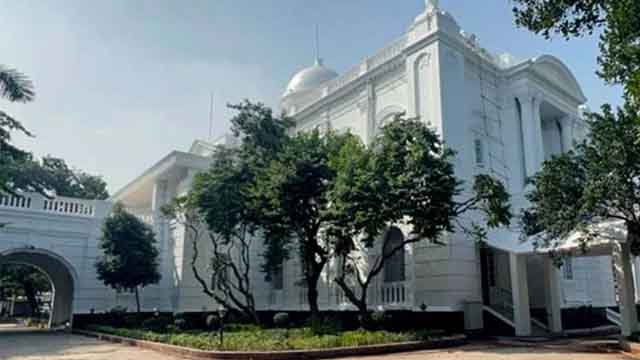
A fresh amendment to the International Crimes Tribunal (ICT) Act of 1973 now bars individuals facing formal charges from running for or holding public office. The disqualification takes effect immediately, even before the ICT formally acknowledges the charges, according to a gazette notification issued after an ordinance was promulgated by President Mohammed Shahabuddin on Monday.
The ordinance introduces Section 20C to the ICT Act, stipulating that anyone against whom formal charges have been pressed under Section 9(1) will be automatically disqualified from serving as a member of parliament, a mayor, or any other local government official. This extends to anyone seeking election or appointment in any governmental body, including positions such as commissioner, chairman, or administrator.
The amendment also bars those facing formal charges from holding any government service position. However, the disqualification will be lifted if the individual is later acquitted or discharged by the tribunal. This change is effective immediately.
ICT Chief Prosecutor Tajul Islam explained the reasoning behind the amendment, describing it as "the necessity of the time," especially as the country undergoes "reconstruction in a post-revolution environment." He argued that the measure was vital for the country’s legal reform and transition.
However, the amendment has provoked criticism from legal experts. Eminent jurist Shahdeen Malik condemned the move, saying to media, "This amendment clearly violates the most basic principle of justice: a person is innocent until proven guilty." Malik emphasized that prohibiting someone from contesting elections or holding government jobs based solely on accusations, without a trial, amounts to "punishment without trial."
Badiul Alam Majumdar, Chief of the Electoral Reform Commission, had a different perspective. He justified the amendment before by saying, "Those accused under the ICT Act cannot be treated like ordinary offenders; they are dangerous criminals." He referenced Article 47(A) of the Constitution, which already curtails some rights for individuals accused under the ICT Act, thus warranting such disqualification measures.
The ICT has already pressed charges or is in the process of pressing charges against 67 individuals involved in crimes against humanity during the July uprising. Notable figures among the accused include former Prime Minister Sheikh Hasina, former Home Minister Asaduzzaman Khan Kamal, and former Information Minister Hasanul Haq Inu, as well as other political leaders and law enforcement officials such as former Inspector General of Police Chowdhury Abdullah Al-Mamun.
Chief Prosecutor Tajul Islam stated that several trials are nearing completion and that charge sheets for major cases are expected to be filed soon. "Formal charges are also expected to be pressed in these cases," he added.
Additionally, a source within the prosecution revealed that investigations into at least 20 other crimes against humanity cases, including cases of enforced disappearances, will likely be concluded before the general election scheduled for February 2026.

Comment: