


MASTUL Foundation Organizes Bangladesh’s First Zakat-Based NGO–Corporate Conference
Published:
৮ ফেব্রুয়ারী ২০২৬, ১৬:৫৫
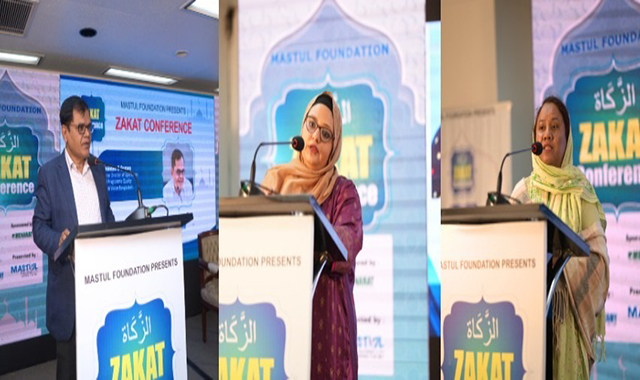
Dhaka: Bangladesh’s first Zakat-based NGO–Corporate Conference was held at Pan Pacific Sonargaon Hotel, jointly organized by MASTUL Foundation and Al Zakat Sadaqa Foundation.
The conference focused on transforming Zakat into a sustainable development tool by integrating NGO and corporate sector expertise. Discussions covered effective poverty alleviation models, transparency, accountability, impact assessment, and collaborative initiatives.
The chief guests included Md. Daud Mia (NDC) and Shaykh Professor Dr. Md. Mokhtar Ahmad, while participants included leaders from national and international NGOs, government officials, corporate leaders, and civil society representatives.
Chandan Z. Gomez, Senior Director of World Vision Bangladesh, stated that meaningful change occurs when local leadership and global development organizations work together. He expressed strong interest in partnering with MASTUL Foundation, citing its transparency and structured Zakat management.
Farha Sharmin, Director of Spriha Foundation, emphasized the importance of ethical and professional Zakat management and expressed eagerness to collaborate with MASTUL Foundation to enhance community healthcare services.
Farhana Yeasmeen, Chief Operating Officer of MASTUL Foundation, said:“Our goal is to establish Zakat not merely as charity, but as a sustainable and effective tool for poverty alleviation. Through transparent accounting and regular monitoring, we manage Zakat collection and distribution. We believe that joint partnerships with NGOs and corporates can significantly expand the impact of Zakat-based poverty alleviation.”
MASTUL Foundation continues to be recognized nationally and internationally for its humanitarian services, sustainable development initiatives, and compliance with government and tax regulations.
MASTUL Foundation gained international recognition for its rapid emergency response during the Gaza crisis in 2024 and the Sudan crisis in 2025 by delivering food, clean water, and medical supplies. Within Bangladesh, its sustainable poverty alleviation initiatives are highly notable, including education support, vocational and skills training, and its successful “Zakat Swabalambi” (Zakat for Self-Reliance) project, which creates long-term employment and promotes self-reliance. The foundation also provides free daily meals to the underprivileged and is developing a Shelter Home Complex for orphans and the elderly, reflecting its long-term humanitarian commitment. Donations, zakat, and sadaqah given to MASTUL Foundation are income tax-exempt under the regulations of the National Board of Revenue (NBR) and qualify donors for tax rebates.

Comment: