


European Nations Reject U.S. Call for Military Support in Hormuz Strait Amid Middle East Tensions
Published:
১৭ মার্চ ২০২৬, ১১:২৮
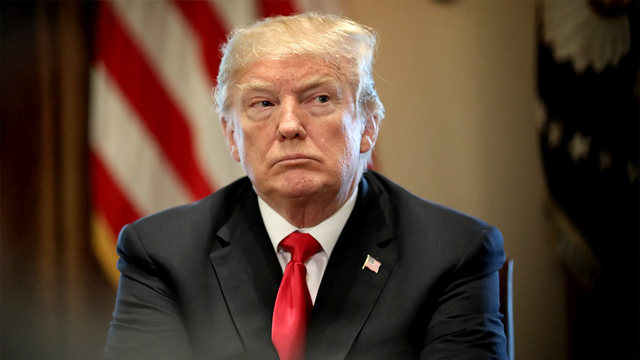
Amid rising tensions in the Middle East, several European countries have directly rejected U.S. President Donald Trump’s call for military support to secure the strategic Hormuz Strait.
The United Kingdom, Germany, and Greece have made it clear that they will not participate in any military operations in the region. British Prime Minister Keir Starmer emphasized that the United Kingdom will not become involved in a large-scale Middle Eastern conflict under any circumstances. The government’s priority remains the safety of British citizens in the region and the protection of its own forces and allied partners. Additionally, the UK is focused on pursuing a swift diplomatic resolution to the crisis.
President Trump had warned that if Western allies, including the UK, do not provide military assistance, the future of NATO could be jeopardized. However, his position has not been endorsed by Berlin.
A German government spokesperson confirmed that the escalating conflict with Iran has no direct connection to NATO. Berlin stressed that Germany has no plans to participate in military operations to keep the Hormuz Strait open and will remain distant from the conflict for as long as hostilities continue.
Greece has adopted a similar stance. Greek government spokesperson Pavlos Marinakis stated unequivocally that Athens will not join any military mission related to the Hormuz Strait.
Analysts note that the unified refusal of these European nations highlights the cautious approach Europe is taking amid volatile conditions in the Persian Gulf. While the U.S. pushes for a coalition to protect global oil shipping routes, its European allies prioritize diplomatic solutions and regional stability over direct military engagement.
The situation underscores the growing divide between American ambitions for active military intervention and Europe’s measured, security-focused strategy in the Middle East.

Comment: