


Geopolitical Analyst Warns Middle East Conflict May Persist Until June; Cites Strategic Deadlock for Trump Admin
Published:
৩০ মার্চ ২০২৬, ১২:১৬
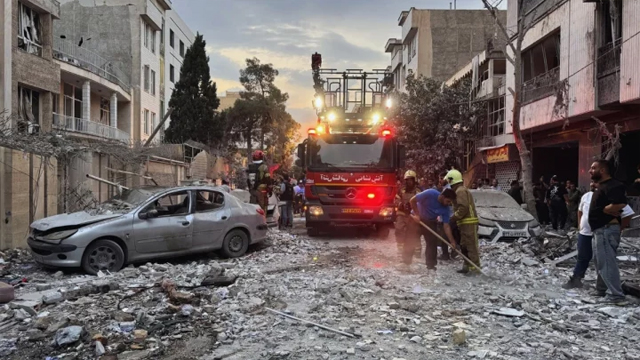
Madison Cartwright, the lead geopolitical strategist at the Commonwealth Bank of Australia, has issued a stark warning regarding the ongoing Middle East conflict, suggesting that hostilities are likely to continue until at least June. In a detailed analysis, Cartwright argued that U.S. President Donald Trump will face significant challenges if he attempts to unilaterally withdraw from the conflict initiated against Iran.
According to Cartwright, while President Trump has previously employed "Trump Always Chickens Out" (TACO) tactics in trade negotiations and tariff policies, military warfare presents a far more complex set of variables. Unlike unilateral trade decisions, ending a war involves multiple regional stakeholders whose interests must be aligned. The analyst emphasized that any lasting peace agreement must fundamentally include both Israel and Iran; otherwise, a simple U.S. withdrawal would fail to de-escalate the situation.
The conflict has already begun to take a toll on global energy security. In Australia, major cities like Sydney are experiencing fuel shortages, with many petrol stations running dry. This has prompted the Australian National Cabinet to work on a unified strategy to manage limited fuel reserves. Cartwright advised federal and state leaders to prepare for a protracted conflict, noting that energy security remains a primary concern for non-oil producing nations.
The strategic impasse is further complicated by the lack of common ground between Tehran and Washington. Furthermore, a tactical rift between the U.S. and Israel is emerging. Cartwright explained that if the U.S. retreats without achieving its strategic objectives, Israel might opt to continue the military campaign independently.
Furthermore, there is no guarantee that Iran would reopen the vital Strait of Hormuz in the event of a sudden U.S. exit without a favorable deal. As the global community waits for a diplomatic breakthrough, the forecast remains grim. If the instability persists through June, the global oil market and supply chains could face unprecedented disruptions, severely impacting the worldwide economy.

Comment: