


Bangladesh Considers 'Work from Home' and Online Classes Amid Global Fuel Crisis
Published:
৩১ মার্চ ২০২৬, ১১:৩৪
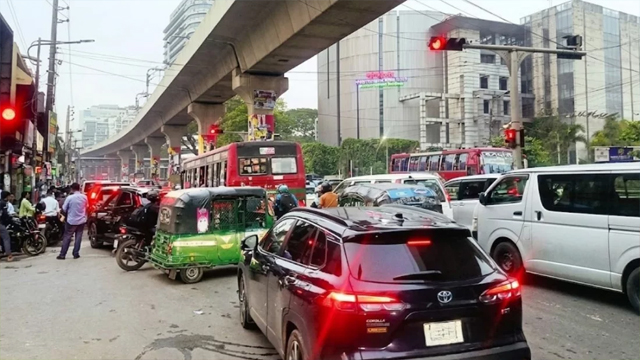
The Bangladesh government is actively weighing options to introduce 'Work from Home' (WFH) for public officials and partial online classes for educational institutions to mitigate the impact of the ongoing global fuel crisis. Triggered by the conflict in the Middle East, the surge in energy prices and supply chain disruptions have prompted the administration to draft a series of austerity measures, expected to be finalized in the upcoming Cabinet meeting this Thursday.
According to senior officials in the Ministry of Public Administration, the primary goal is to reduce fuel consumption in the transport sector and lower electricity demand in government offices. While a formal decision is pending, experts are being consulted to design a temporary routine that minimizes physical presence in offices without hindering administrative efficiency. Additionally, government agencies have been directed to submit their own austerity proposals.
In the interim, the Ministry of Public Administration has issued an 11-point directive for all civil servants to ensure immediate energy conservation. These mandates include maintaining air conditioning temperatures at 25°C or higher, maximizing the use of natural light during daytime, and strictly prohibiting unnecessary decorative lighting.
The government is also considering a shift back to online learning for schools and colleges, particularly in major cities, to alleviate traffic congestion and save petroleum. As the nation faces the ripple effects of the Middle Eastern geopolitical deadlock, these strategic shifts in governance and education highlight the urgency of energy security in the current global climate.

Comment: