


Ali Riaz
Suppressing women to set nation back
Published:
১৪ জুলাই ২০২৫, ১৩:৪৫
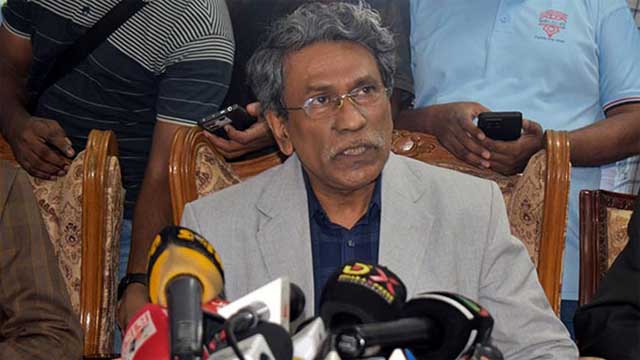
National Consensus Commission Vice-Chairman Professor Dr Ali Riaz has warned that suppressing women or denying them due respect will hinder the country’s progress.
He made the remarks on Monday morning (July 14) at the Foreign Service Academy during the opening of the second round of meetings between the commission and political parties.
“Let us not forget that July 14 last year marked a turning point in the mass uprising. On this day, female students of Dhaka University stood up in protest against their humiliation. If women are not given due dignity and continue to face suppression, the country will fall behind,” said Professor Riaz.
He stressed the importance of ensuring a respectable position for women in politics, parliament, and governance.
The meeting, which brought together representatives from 28 political parties and two alliances — including the BNP and Jamaat-e-Islami — focused on two key issues: women's representation in parliament and the potential for establishing a bicameral legislature.
Since June 3, the National Consensus Commission has held 12 meetings with political parties. So far, consensus has been reached on seven issues, including reforming Article 70 of the Constitution, selection of chairpersons for parliamentary standing committees, delimitation of constituencies, Presidential pardon provisions, judicial decentralization, expansion of courts at the upazila level, appointment of the Chief Justice and rules surrounding emergency declarations.
Professor Riaz expressed optimism that further consensus could be achieved on the current agenda items.

Comment: