


Rizwana
The Tiger is not just a species, but our pride
Published:
২৯ জুলাই ২০২৫, ১৬:৫৭
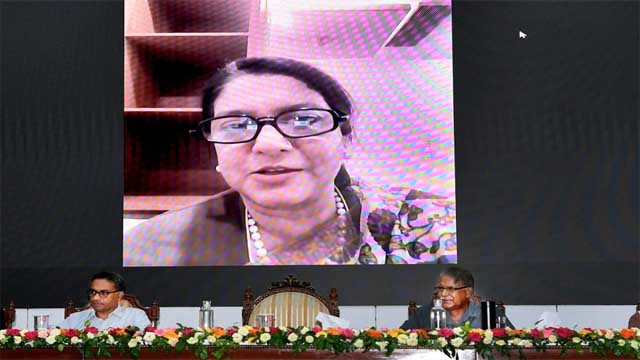
Adviser to the Ministry of Environment, Forest and Climate Change and the Ministry of Water Resources Syeda Rizwana Hasan has said that we must stand firm and use all our strength against tiger traffickers and poachers. The benefits of tiger conservation must be made visible to the public.
She said this whle speaking as the chief guest joining virtually from Secretariat at a discussion held on Tuesday at the Forest Department headquarters in Agargaon, Dhaka, marking World Tiger Day 2025, according a press release from the ministry.
The Environment Adviser emphasized that the tiger is not merely a wild animal—it is a source of national pride and a symbol of our identity. “Just as we are proud of the Sundarbans, we are equally proud of the Royal Bengal Tiger. We associate the tiger with courage, love, and heroism.”
“Even our national cricketers are affectionately referred to as ‘Tigers’—a testament to the deep emotional connection we have with this majestic animal,” she said.
Highlighting recent tiger census data, she noted that the tiger population in the Sundarbans has increased due to some effective conservation initiatives. “This is promising,” she said, “but more robust and long-term efforts are needed to regulate deer hunting, prevent recurring forest fires, and combat poaching.”
She further stated that there is a direct link between tiger deaths and illegal trafficking. Additionally, human-tiger conflict is rising, especially in fringe areas of the Sundarbans. To address this, plans are underway to establish social safety zones for local communities.
Addressing the increase in forest crimes, Rizwana Hasan urged, “We need lists identifying those involved in trafficking as well as those who could be diverted with alternative livelihoods, so that appropriate actions can be taken.”
She concluded with a call to action: “To protect our heritage, conserve the environment, and save our tigers, we must remain united and resolute.”

Comment: