
Businesses owned by Asian nationals are being closed across Eswatini as the government cracks down on foreign-owned enterprises.
The crackdown follows Parliament's approval of the Citizen Economic Empowerment Act, which seeks to increase ownership and participation by emaSwati, as citizens of the kingdom are known. The law follows complaints from local traders that foreign-owned businesses are moving into traditional retail markets, increasing competition and threatening livelihoods. Its implementation has sparked a heated debate among lawmakers over how quickly foreign business owners should be required to leave.
Mbabane East MP Welcome Dlamini told Parliament on Tuesday that trade ministry officials had already begun enforcing the law by closing Asian-owned shops. Hhohho Regional MP Tanele Magagula called for immediate action, saying foreign-owned businesses in rural areas "must be seized immediately."
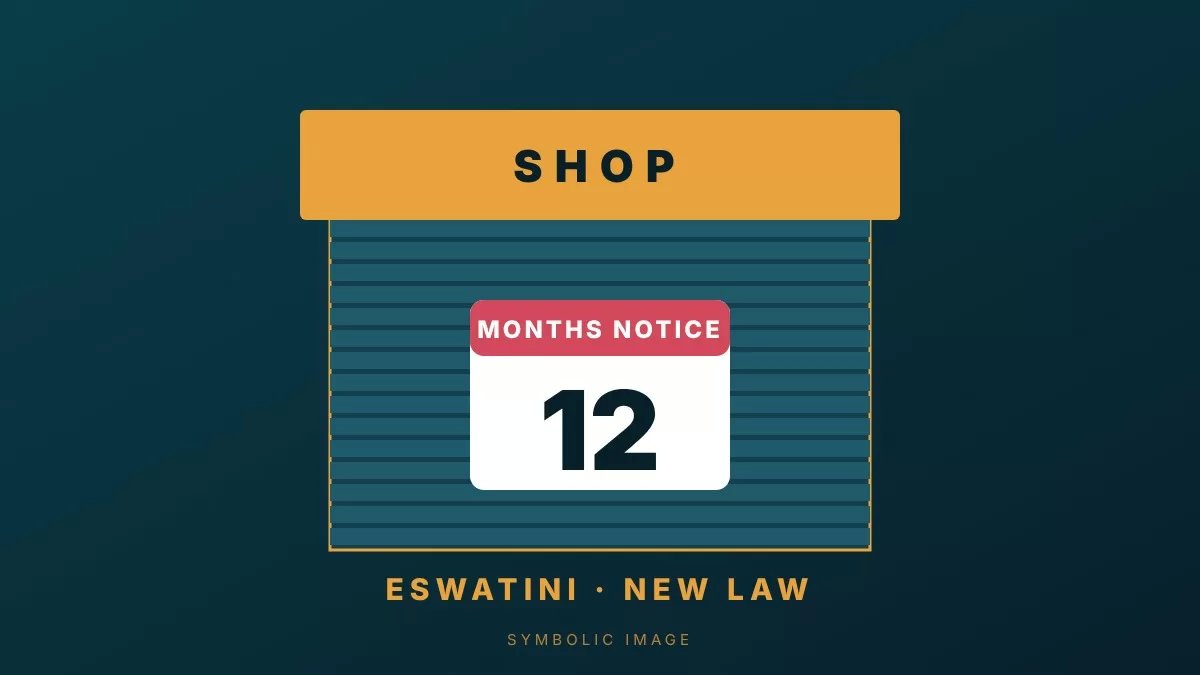
Dlamini questioned whether local entrepreneurs were ready to take over the businesses and suggested foreigners be given at least three years to train their successors. Magagula rejected that, asking why struggling local traders should have to wait. Parliament then agreed that foreign business owners should be given at least 12 months to leave. However, unless the law is formally amended to reflect that timeline, the ministry could continue enforcing its provisions.
The closures follow inspections launched by the trade ministry in August. Some businesses inspected in areas such as Mbabane were found to be fully compliant. The inspections also raised concerns about working conditions and administrative practices at foreign-owned enterprises, including employee complaints about days off, annual leave and overtime. At least one case remains under investigation.
Eswatini is a small landlocked kingdom in Southern Africa, and about 70 percent of its population lives below the poverty line. The government says the new law is intended to expand economic opportunities for citizens amid concerns that poverty and hunger could fuel further political unrest.
The crackdown comes amid growing pressure on foreign-owned businesses in the region. In neighboring South Africa, anti-immigration campaigns have led to raids, arrests, looting and disruption of foreign-run informal businesses. On July 30, 2026, a group called the March and March movement stepped up its campaign against undocumented immigrants and gave them a deadline to leave. Another protest followed on September 30. The campaigns have been accompanied by violence and attacks on foreign-owned businesses, and two Ghanaian and two Nigerian nationals were reported killed amid the tensions. Kenya has also stepped up enforcement against foreign traders.