
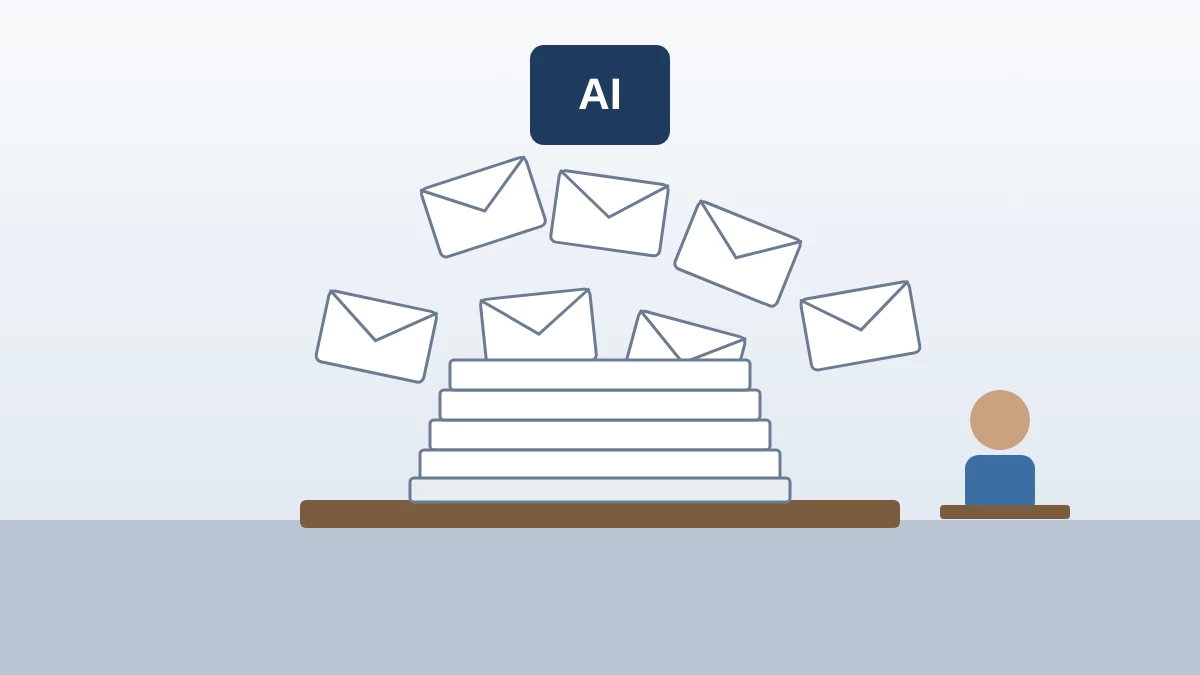
Councils, courts, schools, employers and other public bodies across the UK say they are being swamped by complaints, letters and legal challenges written with the help of AI chatbots. Such correspondence takes moments to produce but far longer for staff to read and answer.
The trend has been called “AI clog”. Researchers at the Hertie School's centre for digital governance in Berlin, the Cooperative AI Foundation and GovAI use the term “agentic flooding” for the practice of bombarding public bodies with automated requests.
Hollie Wickens, a senior caseworker in a Labour MP's office, said half the emails the office receives are some form of AI. She said the volume began as a trickle in 2024 and has become an onslaught.
Deborah Evans, chief executive of Lawyers in Local Government, which represents 5,600 lawyers working in local authorities, said every sector faces similar problems. Before chatbots, the average complaint to a local authority ran to about two pages. Most are now 10 times longer, she said, and the worst she knows of is about 200 pages.
Ms Evans said AI tools often treat complaints as legal claims, citing statute and case law that may not apply in the jurisdiction concerned. They also occasionally make things up, she said.
Transport for London received a record 4,769 freedom of information requests in 2025-26, a 5% increase on the previous peak in 2023-24. Minutes of its audit and assurance committee noted an increase in appeals that appeared to be AI-generated.
The number of employment tribunal claims opened between April and June rose 28% compared with a year earlier, representing 14,000 cases from single claimants, according to the latest government figures. There were 70,000 open single claims at the end of June.
Lisa Gillmore, president of the MPs' and peers' staff branch of the GMB union, said casework has doubled or more in offices that keep their own figures.
Wiltshire council is exploring AI tools to summarise long emails and draft first responses. A committee at Stroud district council has discussed using Microsoft's Copilot to help write reports. The UK government has issued civil servants with advice on using AI tools, including verifying facts and ensuring humans take final decisions.
The technology journalist Jamie Bartlett said public bodies and companies will probably have to use some form of AI to filter submissions, or set stricter rules on what they accept.
Source: Guardian